Najaa
Designed reflective tracking and statistics features to help Najaa users better understand their recovery progress.

Background
Najaa is a health and wellness application designed to support individuals throughout their recovery journey by providing structure, accountability, and access to supportive resoruces.
The Problem
At the time I joined, the product experience was limited to onboarding and a basic task and goal tracking flow. Users lacked access to meaningful resources, progress visibility, and deeper reflection tools. This resulted in high drop-off rates and frustration among new users.
Product Direction
To address retention and engagement challenges, the product roadmap focused on expanding Najaa into a more comprehensive recorvery platform. This included:
- Learning experiences to support mental and emotional wellness through guided content
- A blocking feature to help users avoid triggering or harmful content.
- An expanded tracking and statistics experience that allowed users to record. vistories and setbacks, uncover behavior patterns, and reflect on progress over time.
My Contribution
My main responsibility was to transform a basic task-based tracker into a more reflective, insight-driven expeirence that helped users understand their recovery patterns over time. I also contributed to the homepage UI rework, refining layout and hierarchy to ensure high-value features were more quickly accessible to users.
Designing Reflective Tracking for Recovery
Basic tracking only allowed users to mark victories or setbacks, without capturing why, how, or what they were feeling. This limited users' ability to understand patterns tied to emotions, triggers, or environment.
Research across mental health and wellness apps showed that reflection-driven tracking, logging context and emotions, creates more meaningful self awareness and long-term value.

Designing Statistics with Emotional Safety
Help users recognize patterns over time without reinforcing guilt, pressure, or failure.

Final Designs
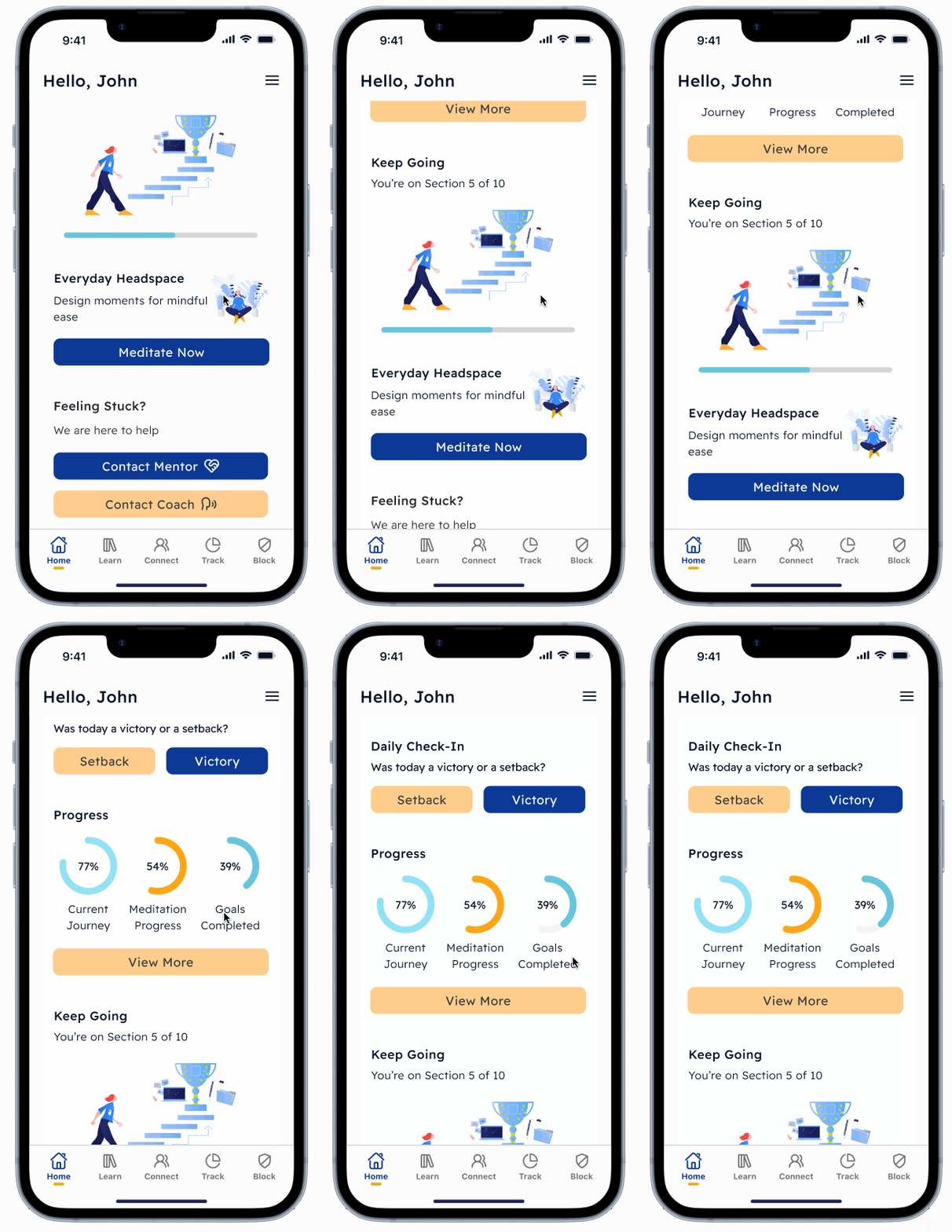
HOMESCREEN
Redesigned homepage with improved hierarchy and quick access to key features.
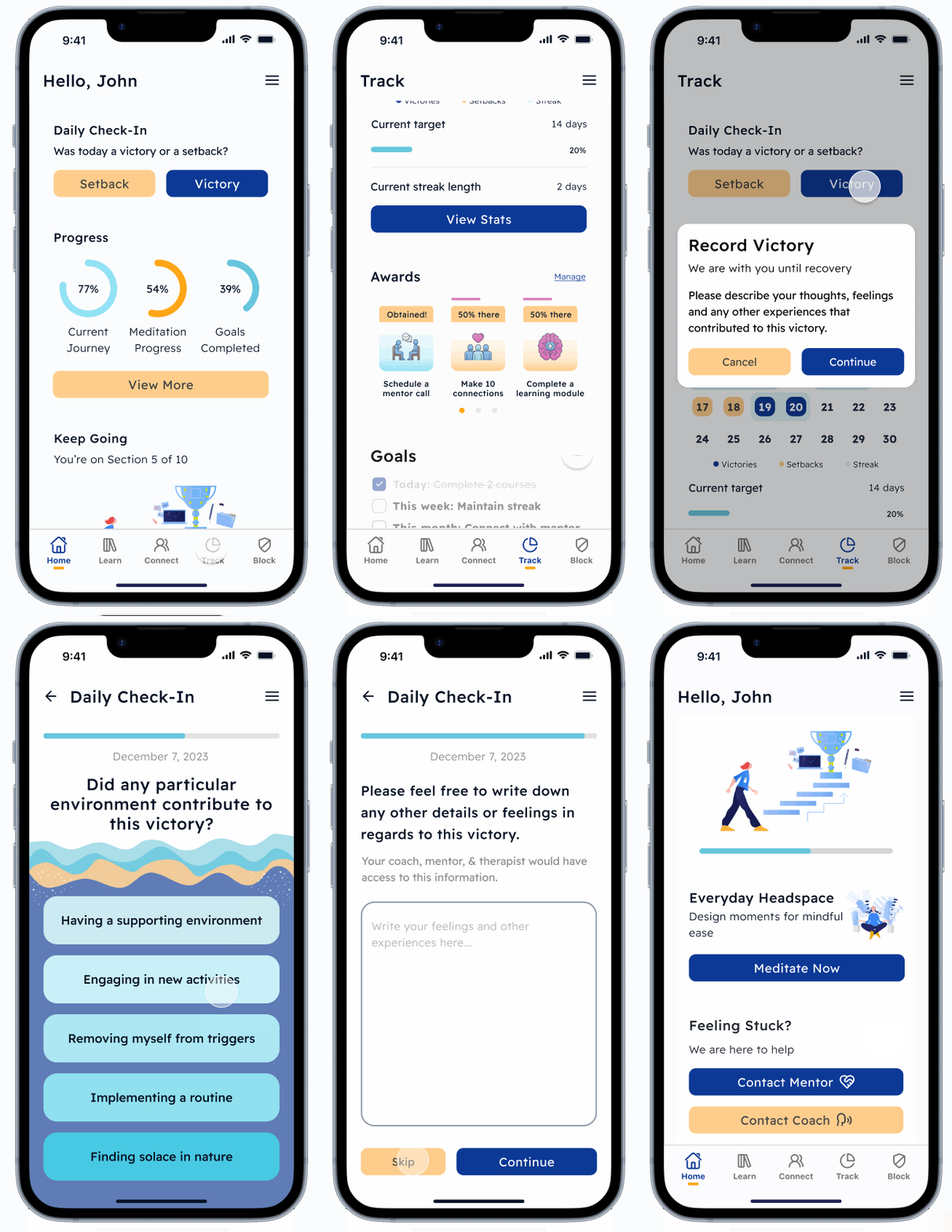
TRACKING
Reflection-driven tracking that captures emotions, triggers, and context.
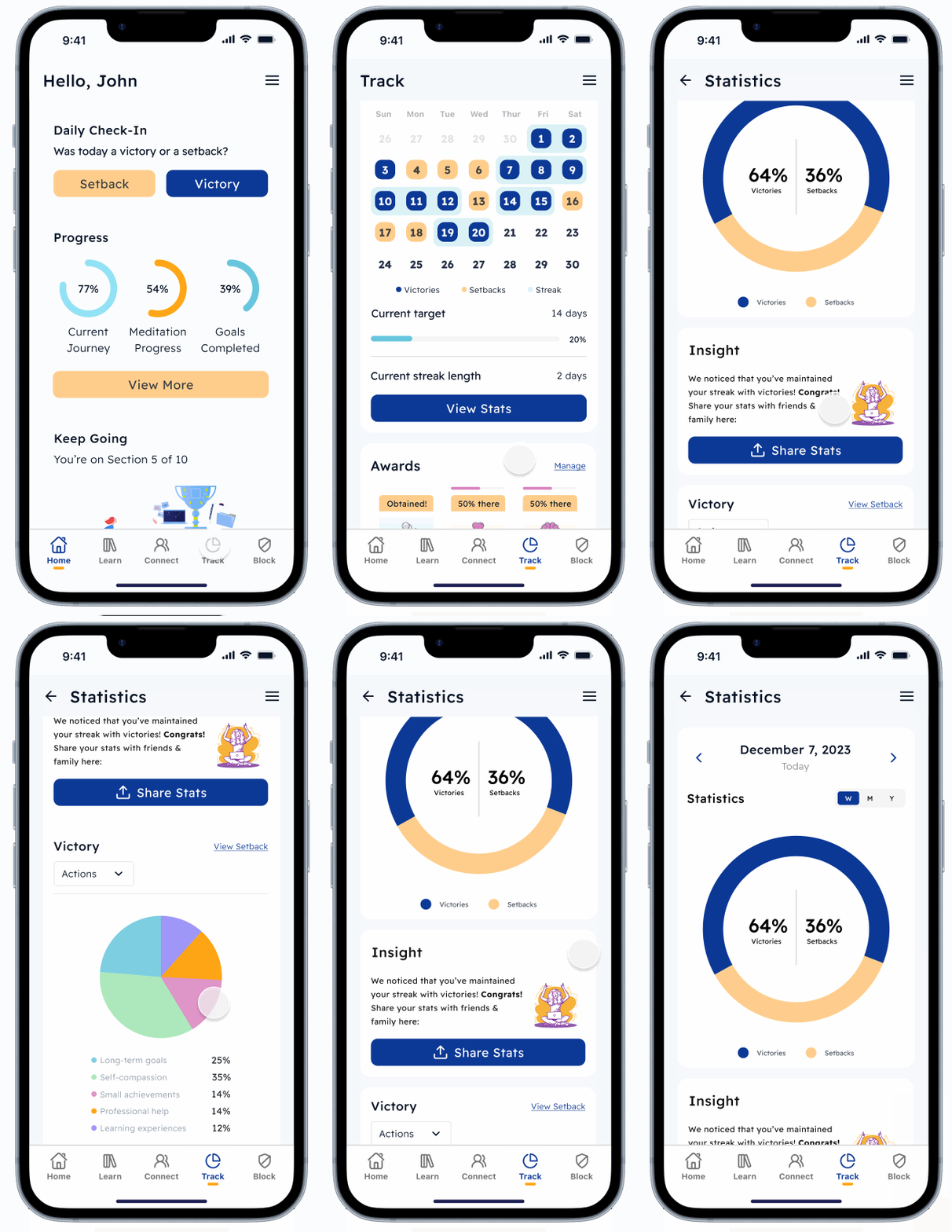
STATISTICS
Pattern recognition over time with emotionally safe progress visualization.
Measuring Outcomes
Impact was measured with qualitative and quantitative methods. Hotjar was utilized for qualitative behavior insights (heatmaps, session recordings) and Google Analytics for quantitative engagement tracking.
Increase in User Engagement
Driven in part by higher interaction with the expanded tracking flow and repeat visits to the statistics experience.
Increase in Positive Feedback
Surfaced through the updated homepage payout and contextual insights within tracking.
Boost in User Retention
Indicating that features designed to help users reflect on progress and patterns contributed to continued return usage.
Reflection
What Worked Well
Expanding the tracking experience to capture emotional and contextual details helped transform simple check-ins into moments of self-awareness. Paired with the statistics experience, users were able to identify patterns over time rather than viewing victories and setbacks in isolation.
What I'd Do Differently
While engagement and retention metrics showed positive results, I would invest more time in qualitative follow-ups such as interviews or diary studies, to better understand how users interpret their statistics over longer periods of recovery.